Which systems cause the biggest energy waste?
Assess not only the electrical supply system, but also look at your electromechanical, steam and compressed air systems. These systems are usually full of energy waste, which is nevertheless easy to solve.
Electromechanical
There are five common types of energy waste in an electromechanical system: 1) electrical, 2) mechanical/friction, 3) scheduling, 4) control and 5) sizing/efficiency.
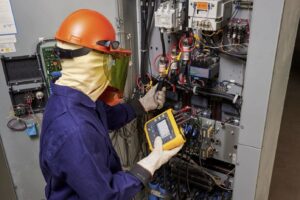
A Fluke 1738 use advanced Power Energy Logger to investigate the energy consumption of a mechanical system
- Voltage/current overload and unbalanced phasing are two of the most common energy wasters in electromechanical systems. Both electrical problems can be detected with Power Quality Analyzers and thermal imaging cameras.
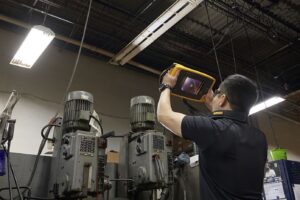
- Energy waste in mechanical systems manifests itself as overheating, as well as excessive vibrations. These can be detected with thermal imaging and vibration meters. Possible causes range from cooling and airflow to bearing alignment and other causes of friction. So perform a thermal scan on couplings, shafts, belts, bearings, fans, electrical components, termination/connection box and windings - all options that may be operating inefficiently and thus wasting energy.
- As mentioned earlier, one of the simplest solutions for saving energy is to log energy consumption at large electromechanical loads during a full operating schedule. Determine when equipment consumes the most energy (often at start-up) and check whether usage times can be shifted to dayparts when consumption rates are cheapest.
- Using the same consumption log, compare the operating schedule with the frequency at which the appliance consumes energy. How much energy does the appliance consume when not in operation? Without automatic switches, most appliances have to be switched off manually to stop energy consumption, and manual operations are often not performed. Not all appliances can be switched off, but most appliances can be put on standby. Operation can vary, from simple to fully automated; and from operation using sensors and timers to flexibly inactive machines and capturing business processes in a PLC.
- Scaling and efficiency levels. Especially in older facilities, it is common for business processes to change but loads to remain unchanged. This means that a large, expensive, start-up motor sometimes drives a system that does not need that much power at all. Branch managers are naturally inclined to use large equipment for as long as possible. However, it is worth looking at how much power the motor uses, compared to the actual load requirements and compared to a new, highly efficient unit of the right size. Calculate how much excess power is consumed and multiply that value by the rate payable. Also determine how long it will take for a new motor to pay for itself: sometimes it makes sense to replace equipment before it breaks down. If not, consider whether you can set the controls to regulate output.
Steam
Process heating accounts for a significant proportion of controllable operating costs and the system should be inspected regularly to avoid various energy waste scenarios.
To start with, record energy consumption at the boiler to establish a baseline for energy consumption. Next, inspect the distribution system, including steam traps, manometers, insulation, pumps and valves. Use a thermal imaging camera to detect faulty steam traps, leaks, blockages, value problems and condensate failures: the aim is to return as much pre-heated condensate as possible to the boiler.
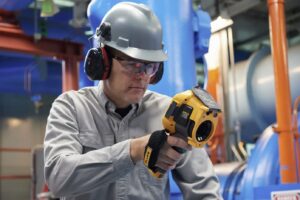
You can also use a thermal imaging camera to check for steam leaks. Check for loose or missing insulation and the proper functioning of all steam traps; clean the inside of boilers and check steam transport pipes for blockages. By performing all these actions, you can detect energy waste and help your team plan energy-saving solutions. Many of these can often already be implemented through maintenance, rather than capital expenditure.
Compressed air
A 100-hp air compressor can consume about $50,000 in electricity annually, and 30% of that electricity goes to pressurising air that is never used due to distribution leaks and waste during operation. However, many facilities have never assessed the efficiency of their compressed air processes. When more air pressure is needed, many facilities will purchase and deploy an additional compressor, not realising that they can get more pressure from their existing system.
Compressed Air Challenge studies show that only 17% of compressed air users see efficiency as the goal of compressed air system management, but 71% simply want a consistent, reliable air supply. That philosophy manifests itself during operation: facilities with pneumatic equipment often lack even simple solenoid valves, which drive the compressor continuously. Staff on the shop floor often see compressed air as a free resource, using it to clean the work area and even to cool down.
To identify and quantify the level of waste, you can start by logging energy consumption over a full duty cycle across all air compressors. This will give you an insight into how much energy is needed to produce current air pressure levels. Also, using a pressure calibrator record the psi at the compressor output and compare it with the point of use. This allows you to determine the pressure drop and check that the psi required by the manufacturer for pneumatic equipment use is achieved; do not “just use” too much pressure. By connecting a pressure module to a logging multimeter to perform these tests, you don't need to invest in specialised equipment right away. Finally, you can still use a sonic Industrial Imager to scan as much of the air pipe surface as possible to determine the location and extent of air leaks. Find out how great the returns are with these air leakage calculator.






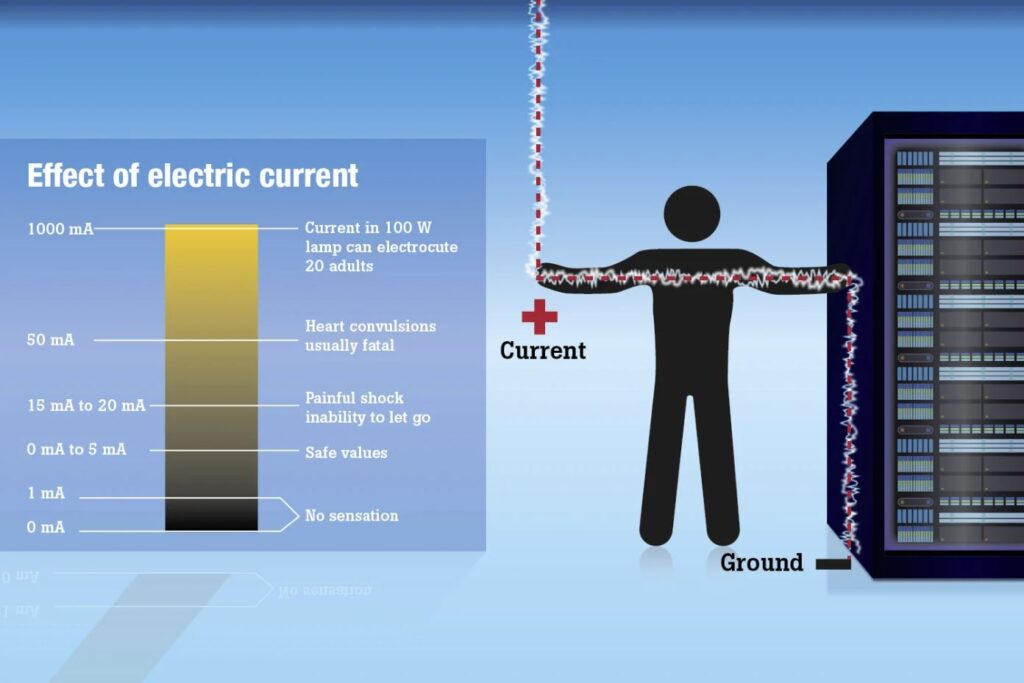




 Whether to wear personal protective equipment, and how much, is not a matter of personal choice. A component can fail at any time. Perfectly working circuit breakers can suddenly malfunction while troubleshooting. If an arc occurs just by opening a cabinet, wearing the right personal protective equipment can mean the difference between life and death. Electricians and technicians should follow the detailed personal protective equipment requirements in European standard EN 50110 “Operation of electrical installations”, which defines electrical safety in the workplace. However, requiring workers to wear personal protective equipment classified for a much higher risk level than required by the environment does not necessarily make them better protected.
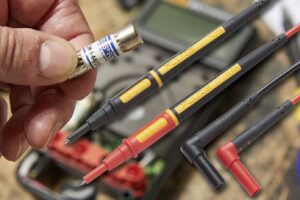 Often technicians consider test leads and fuses as basic components without paying much attention to quality. Regardless of the quality of the multimeter, it is only as safe as the test leads used and the fuses inside. These components provide essential protection against current and voltage spikes that can cause serious injury to the user.
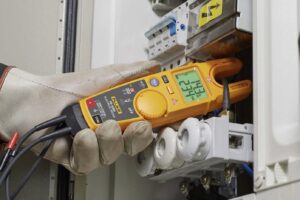 In the past, connecting test lead probes or crocodile clips directly to electrical conductors was the best way to obtain accurate results. However, this requires metal-to-metal contact, which increases the risk of arcing and possible injury to the person measuring or damage to the equipment being measured.