
 Anyone who makes a living working with electricity soon develops a healthy respect for anything that could be even remotely live. Yet time constraints and stress due to the critical nature of the equipment can lead to carelessness and uncharacteristic mistakes even in the most experienced electrician. The list below provides a quick overview of what not to do when measuring electricity.
- Replacing the original fuse with a cheaper one. If your digital multimeter meets current safety standards, that fuse is a special sand-filled fuse that will burn out before an overload can reach your hand. If you change the fuse on your DMM swapped, always replace it with a fuse approved for the instrument.
- Use a piece of wire or metal to bridge the complete fuse. This may seem like a quick fix for when you unexpectedly do not have a spare fuse with you, but that fuse is the only thing separating you from the voltage spike coming your way.
- Using the wrong tool for the specific job. It is important that your DMM is suitable for the work you will be performing. Always ensure that your measuring instrument has the correct safety specification for the work you are doing, even if this means changing DMMs throughout the day.
- The cheapest DMM choose. You can always switch to a more expensive model later, right? Maybe not, either, if you become the victim of an accident. This is because the cheap measuring instrument did not have the safety features indicated. Always look for statements from independent testing laboratories.
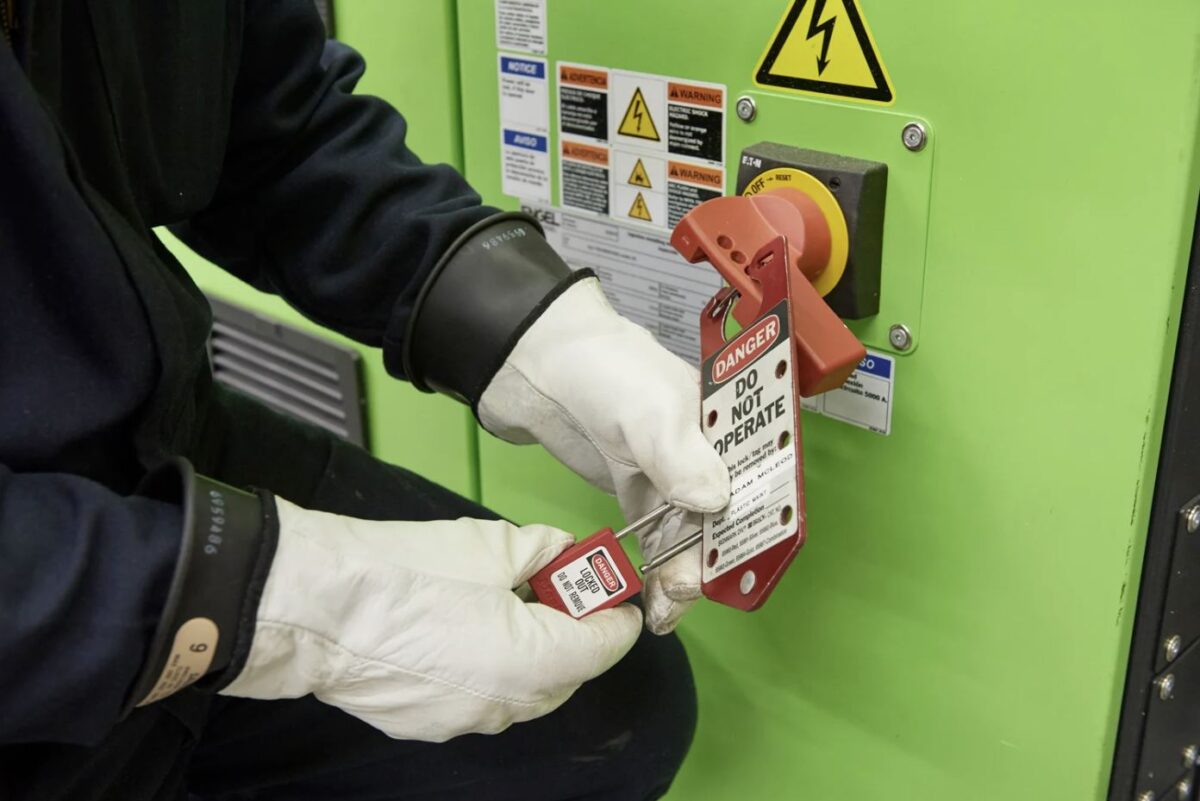
- Leaving your safety glasses in your breast pocket. Get those glasses. Put them on. It's really important. The same goes for insulating gloves and flame-resistant clothing.
- Working on a live circuit. If at all possible, de-energise the circuit. If you do have to work on a live circuit, use properly insulating instruments, wear safety goggles or face shield; and insulating gloves, remove watches and jewellery, stand on an insulating mat and wear flame-resistant clothing instead of ordinary work clothes.
- Failure to provide proper safeguards and texts against reactivation of the installation.
- Use both hands when measuring. Do not do this! When working on live circuits, use the following trick: Keep one hand in your pocket. This reduces the risk of a closed circuit through your chest and heart. Hang the measuring instrument if possible, or place it somewhere. Touch the instrument with your hands as little as possible to minimise exposure to the effects of transients.
- Neglecting your test leads. Measurement leads are important for the safety of the DMM. Make sure your measurement leads also have the right safety specification for the work you are doing. Preferably use measurement leads with double insulation, insulated input connectors, finger protection and non-slip surface.
- Keep using your old measuring instrument. Today's measuring instruments have safety features no one had heard of a few years ago; features that are worth modernising your equipment and are a lot cheaper than a visit to the emergency room.