
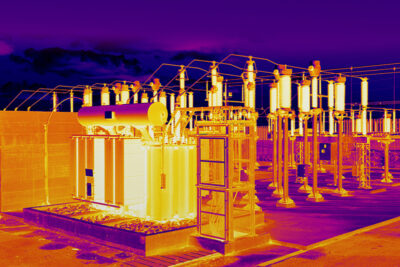
 If you are servicing or troubleshooting industrial machinery, your safety depends partly on your environment and partly on yourself. You want to inspect electrical systems or check that equipment is operating within specifications to prevent damage or injury from overheating, misalignment or power quality problems. You are responsible for keeping equipment running correctly and you want to check that equipment from a safe distance and look for faults.
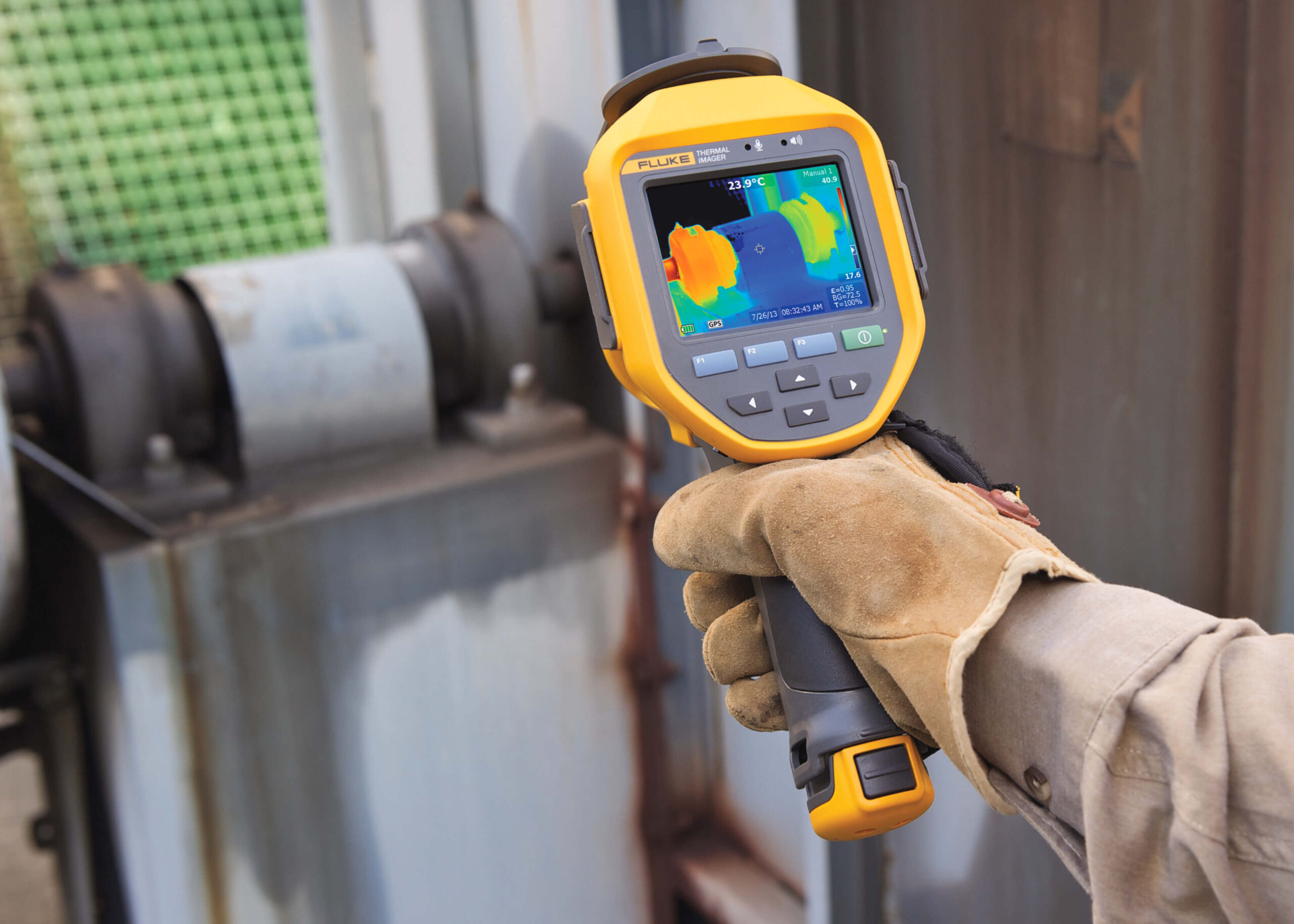
A infrared camera can help you on both counts. With thermal imaging cameras you can scan equipment, structures and processes from a safe distance, reducing exposure to safety risks. In some cases, this means you no longer need a hot work permit.
These are some areas where a thermal imaging camera increases your safety:
-
Inspecting electrical systems
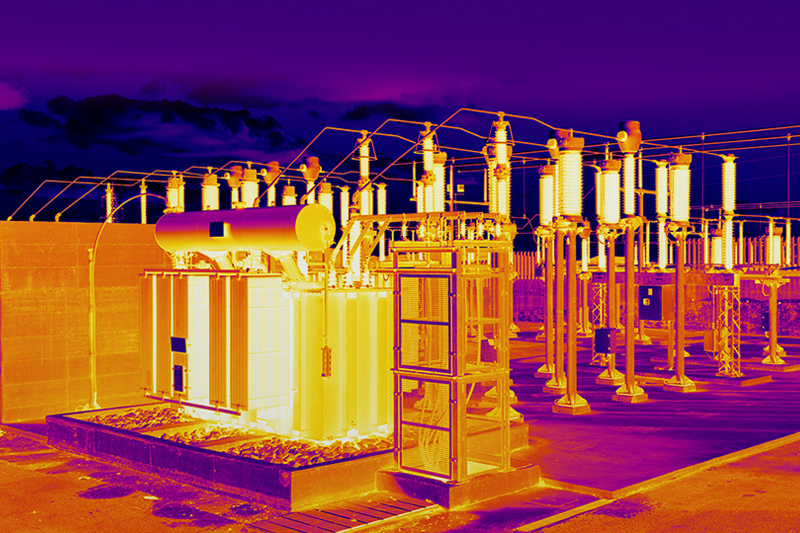
With an infrared camera, you can stand well outside the arc zone and scan live equipment using special infrared beams without having to open the panel. This can reduce your risk and may also mean putting on less personal protective equipment (PPE).
-
Potentially explosive environments
A thermal imaging camera with telephoto lens allows you to stand further away from the equipment in a potentially explosive environment and still capture all the necessary details. By scanning from a great distance, you do not have to climb into towers, on chimneys or air filters to inspect areas that you would otherwise not be able to get close enough without shutting down production.
-
Building inspection
Thanks to the remote capabilities of a thermal imaging camera with a telephoto and/or wide-angle lens, you can scan a lot of ceilings, roofs or walls and pipes from the ground. This reduces the risk of falling and speeds up your inspections.
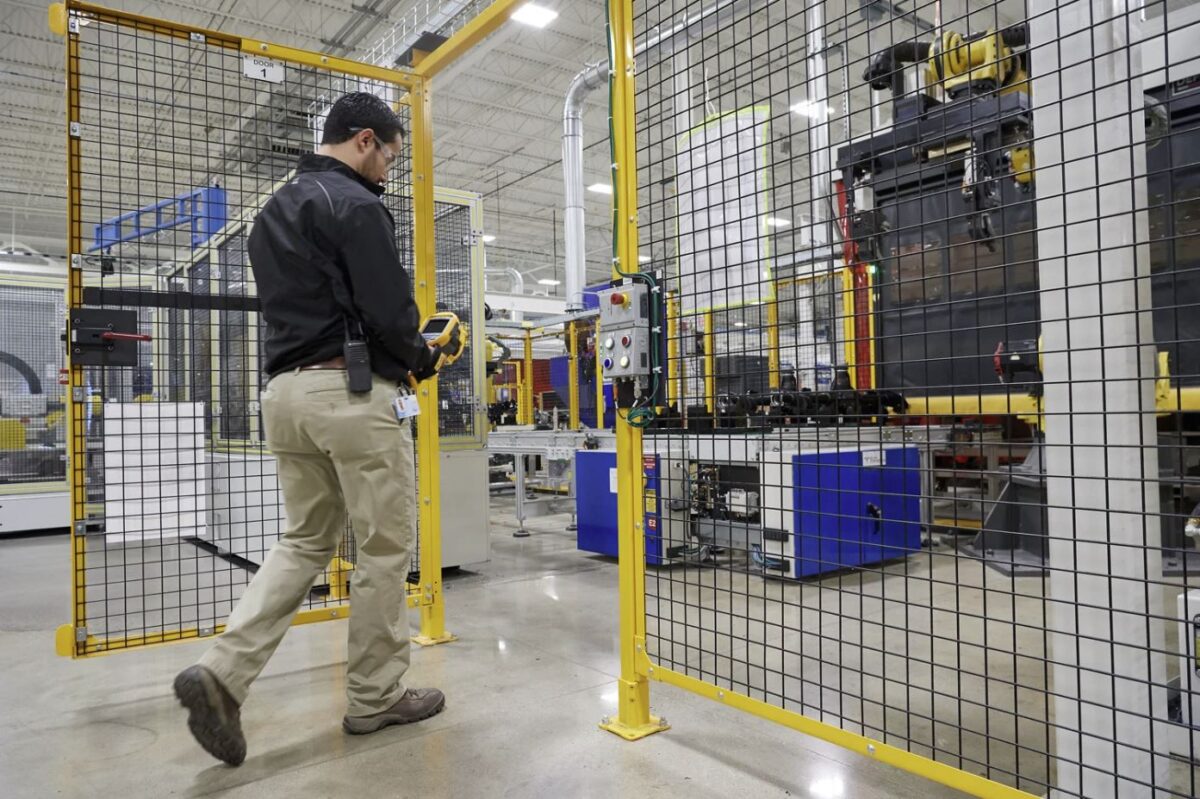
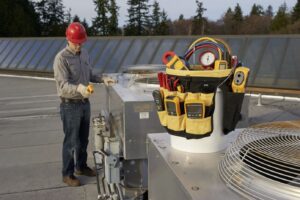
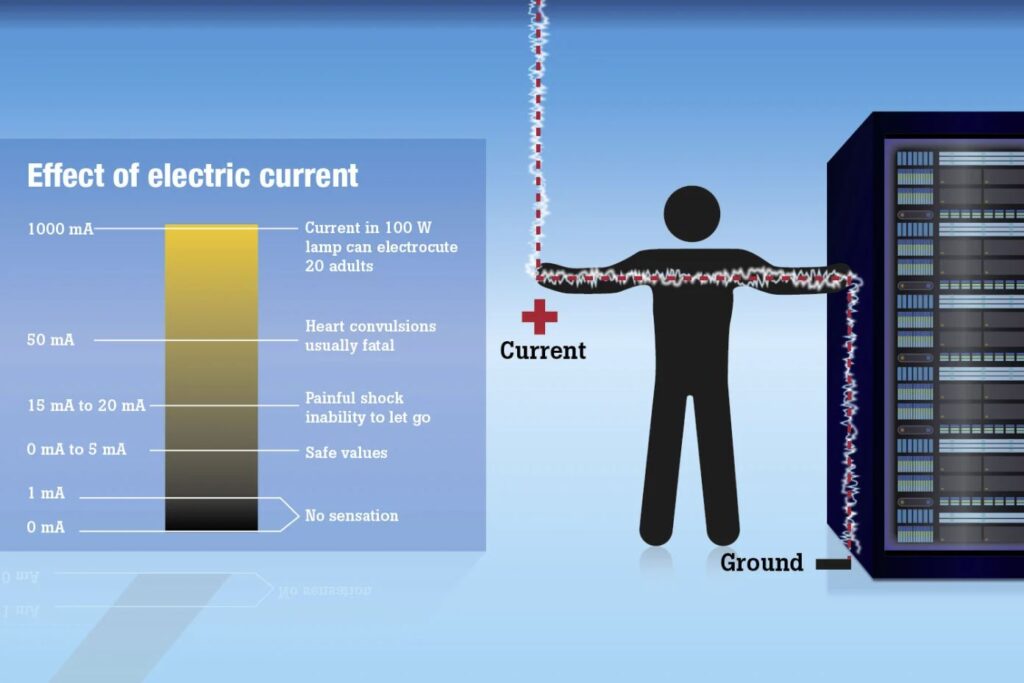
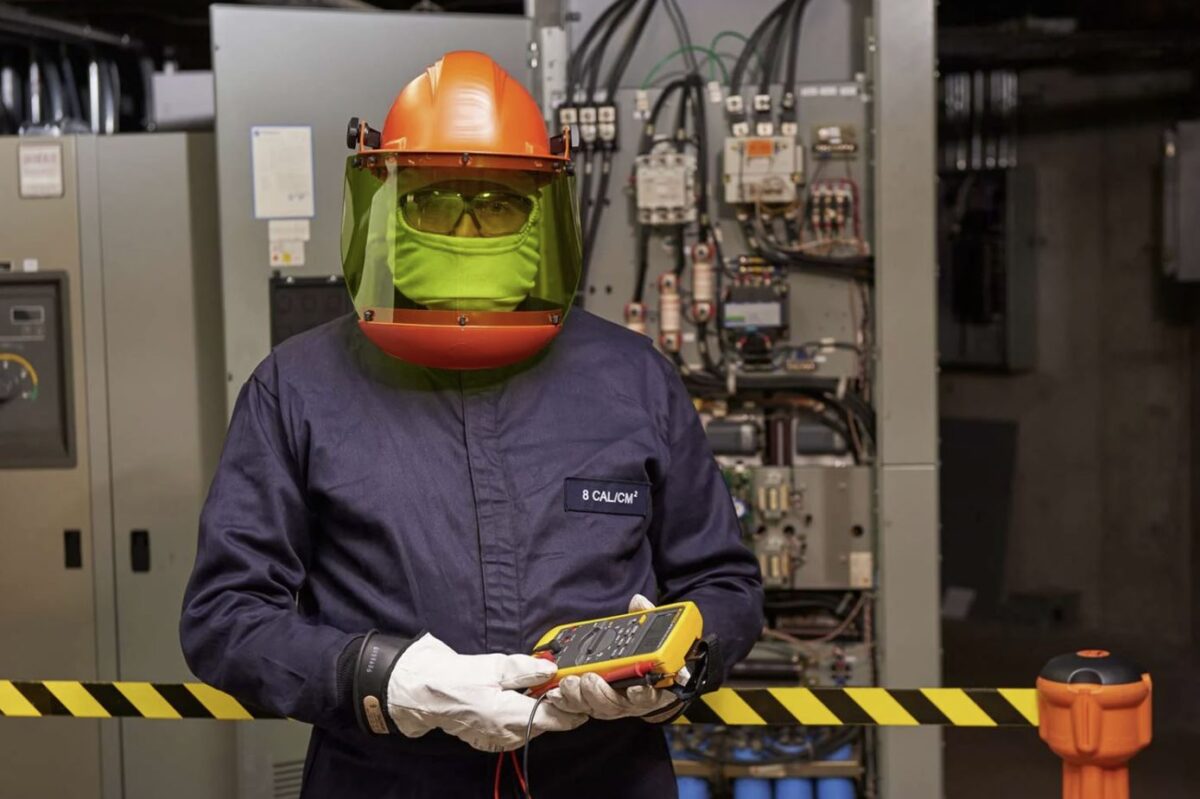
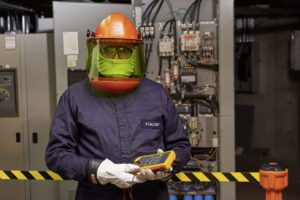
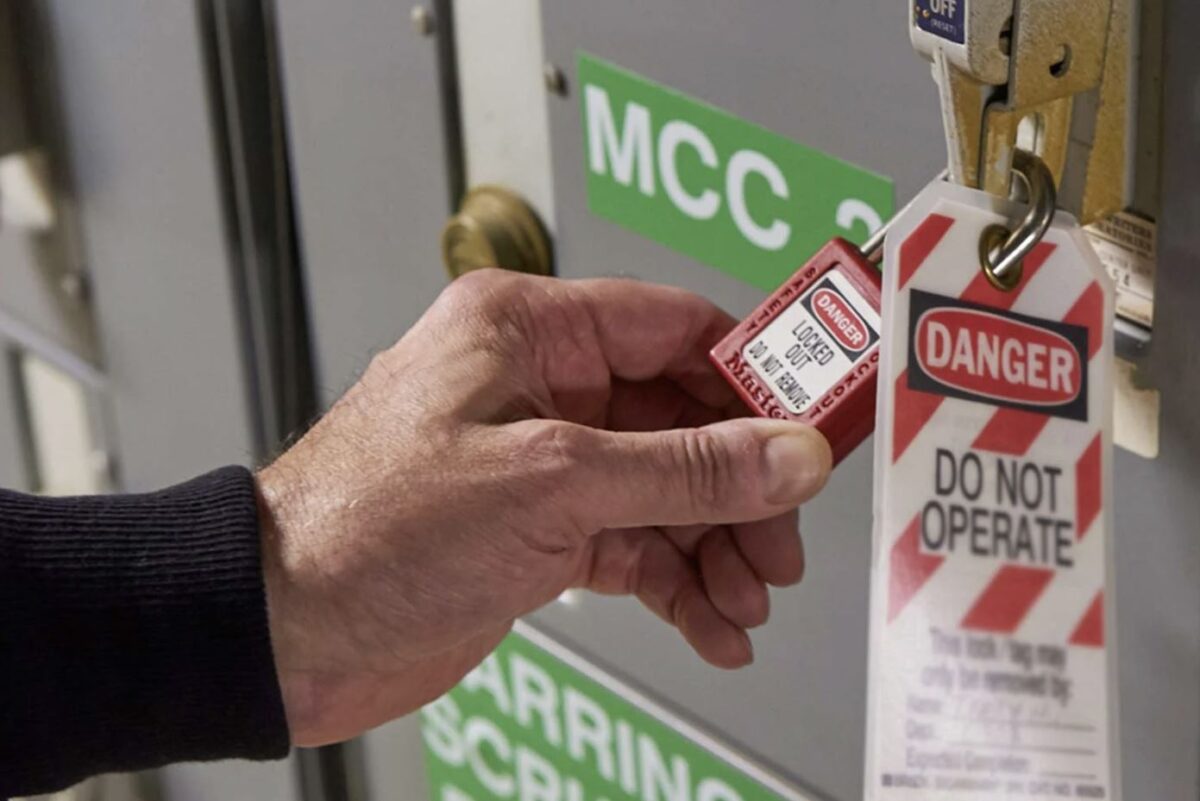
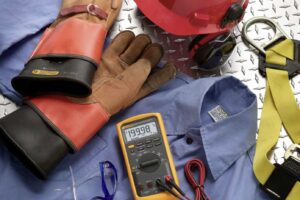 Whether to wear personal protective equipment, and how much, is not a matter of personal choice. A component can fail at any time. Perfectly working circuit breakers can suddenly malfunction while troubleshooting. If an arc occurs just by opening a cabinet, wearing the right personal protective equipment can mean the difference between life and death. Electricians and technicians should follow the detailed personal protective equipment requirements in European standard EN 50110 “Operation of electrical installations”, which defines electrical safety in the workplace. However, requiring workers to wear personal protective equipment classified for a much higher risk level than required by the environment does not necessarily make them better protected.
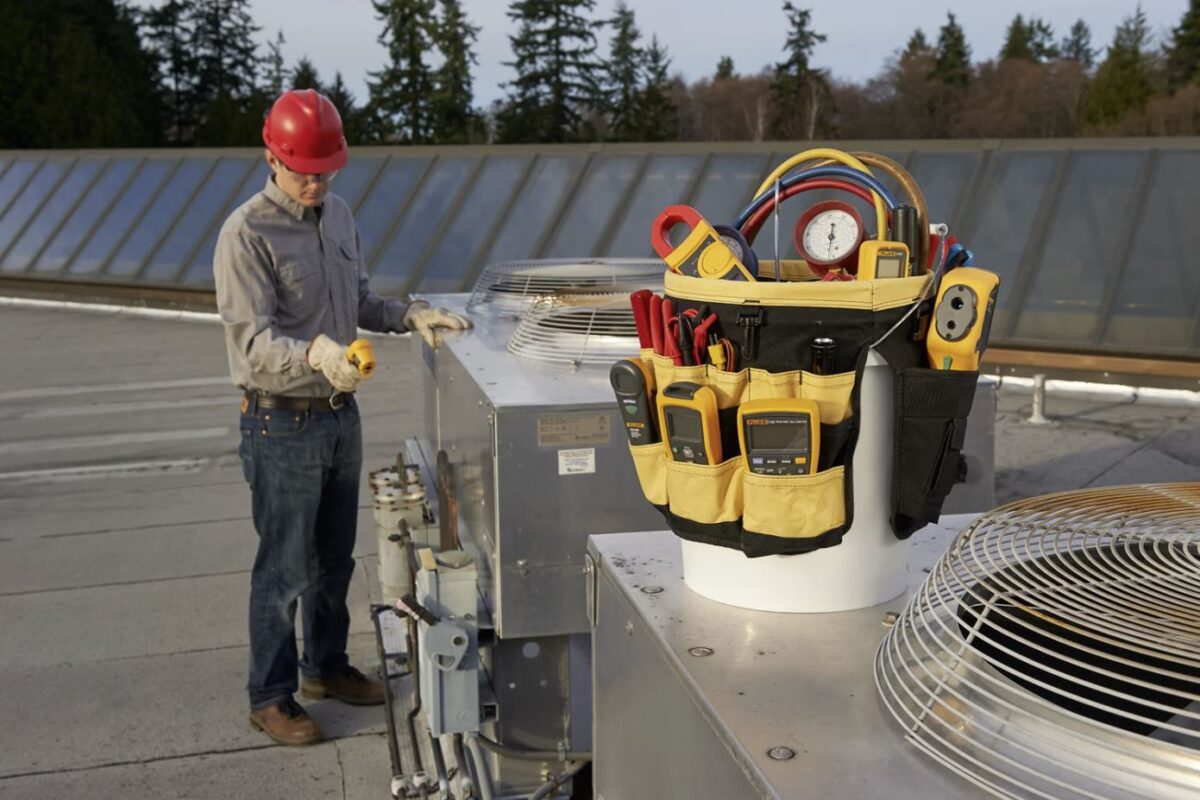
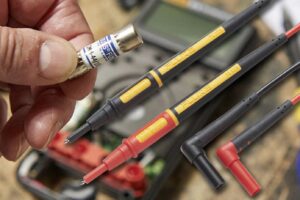 Often technicians consider test leads and fuses as basic components without paying much attention to quality. Regardless of the quality of the multimeter, it is only as safe as the test leads used and the fuses inside. These components provide essential protection against current and voltage spikes that can cause serious injury to the user.
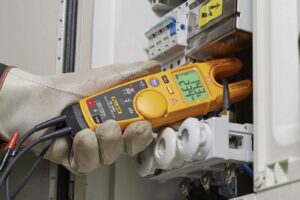 In the past, connecting test lead probes or crocodile clips directly to electrical conductors was the best way to obtain accurate results. However, this requires metal-to-metal contact, which increases the risk of arcing and possible injury to the person measuring or damage to the equipment being measured.