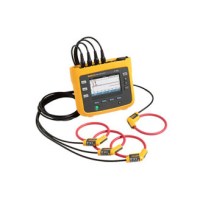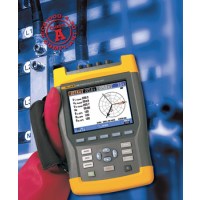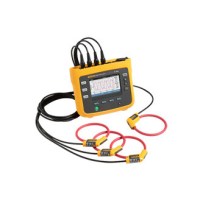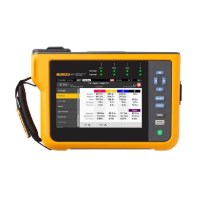

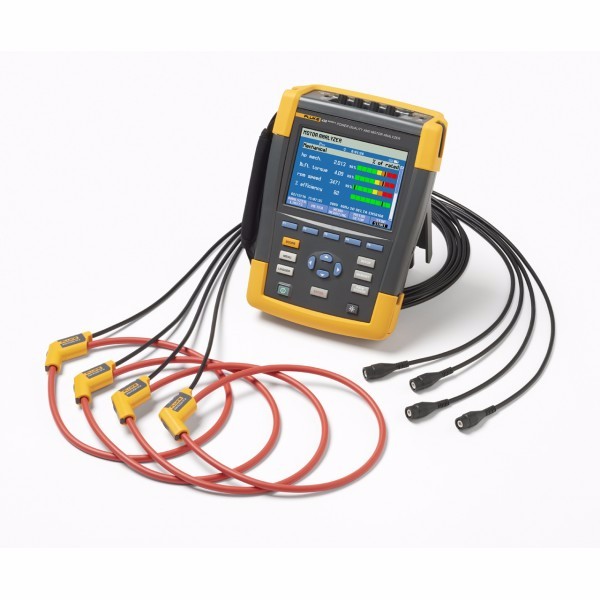
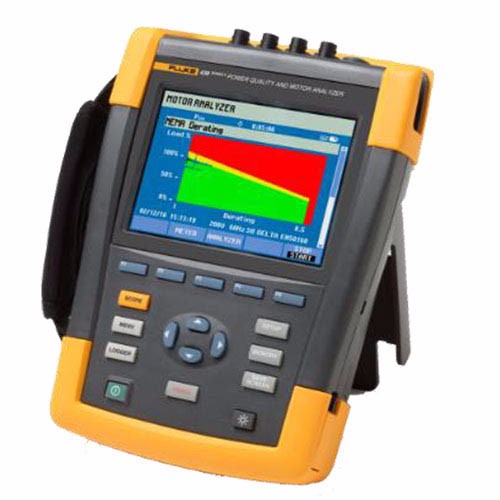
The 438-II is the ideal measuring instrument for analysing motors. It can help locate, predict, prevent and solve mains supply problems in three-phase and single-phase power distribution systems, while providing technicians with the mechanical and electrical information they need to effectively assess motor performance.
- Measures important parameters on directly switched motors, such as torque, speed, mechanical power and motor efficiency
- Perform dynamic motor analysis by plotting the reduction factor of the motor relative to the load as per NEMA/IEC guidelines
- Calculate mechanical power and efficiency without the need for mechanical sensors; just connect to the input conductors and you can get started right away
- Measure electrical power parameters such as voltage, current, power, apparent power, power factor, harmonic distortion and unbalance, to identify characteristics affecting motor efficiency
- Identify mains power quality problems such as voltage drops and rises, transients, harmonics and imbalance
- The PowerWave data technology quickly records RMS data and displays averages of half cycles and waveforms to visualise the dynamic characteristics of electrical systems (generator start-up, switching of UPS systems, etc.).
- Waveform recording function records 100/120 cycles (50/60 Hz) of each event detected, in all modes, without setting
- Automatic transient mode records waveform data at 200 kS/s on all phases simultaneously up to 6 kV
- Compatible with Fluke Connect® * - view data locally on the instrument, via Fluke Connect Mobile App and PowerLog 430-II desktop software
- Safety specification for industrial applications 600 V CAT IV/1000 V CAT III approved for service input and downstream circuits
Mechanical measurement functions of the Fluke 438-II
Engine torque
Calculates the rotational force (represented in lb.ft or Nm) developed by a motor and transmitted to a driven mechanical load. Motor torque is the most critical variable characterising the instantaneous mechanical performance of rotating equipment driven by electric motors.
Engine speed
Indicates the instantaneous speed of the motor shaft. Combined with motor torque, motor speed provides a snapshot of the mechanical performance of rotating equipment driven by electric motors.
Mechanical motor load
Measures the actual mechanical power produced by motors (represented in hp or kW) and provides a direct link to overload conditions without simply relying on motor current.
Motor efficiency
Shows the effectiveness of each motor in a machine, assembly line, factory and/or plant in converting electrical energy into useful mechanical work. By properly aggregating the efficiencies of a group of motors, the total (cumulative) efficiency can be calculated. Comparisons with expected motor efficiencies under observed operating conditions can help quantify the costs associated with motor energy inefficiency.
How it works
Using proprietary algorithms, the Fluke 438-II Power Quality and Motor Analyzer uses waveforms of three-phase current and voltage to calculate the torque, speed, load and efficiency of motors with a 1-second refresh rate. The air gap field of the motor, as observed through the voltage/current waveforms, forms the basis for the measurements. Mechanical sensors and operating interruptions due to no-load testing of motors are not required, allowing the overall performance of electric motors to be analysed faster than ever before.
Analysis of electric motors
The Fluke 438-II provides a complete overview of electrical parameters. Before starting the analysis, it is recommended to perform reference measurements of mains power quality to assess the status of harmonics and imbalance on the electrical service output, as these two characteristics can have serious negative effects on motor performance.
In motor analysis mode, results are summarised for electrical performance, mechanical performance and reduction (as per NEMA recommendations).
The easy-to-understand severity scale with four colour gradations indicates motor performance against recommended electrical parameter levels, including rated power, power factor, unbalance and harmonics.
For mechanical power, you can instantly see the mechanical output power along with motor torque and speed. Mechanical output power is immediately compared with electrical power to give you live measurements of efficiency. With this feature, you can very easily measure machine performance during each duty cycle.
The NEMA reduction screen is updated as the load and electrical conditions change, and each new measurement is plotted on the tolerance graph as a ‘+’. In this example, we can see that the motor is within tolerance, but also close to operating factor. This indicates that mains power quality problems may need to be fixed, motor maintenance carried out or some other performance-enhancing adjustment made. By performing these tests regularly over time, known metrics and performance trends can be captured, allowing informed decisions on maintenance investments to be made.