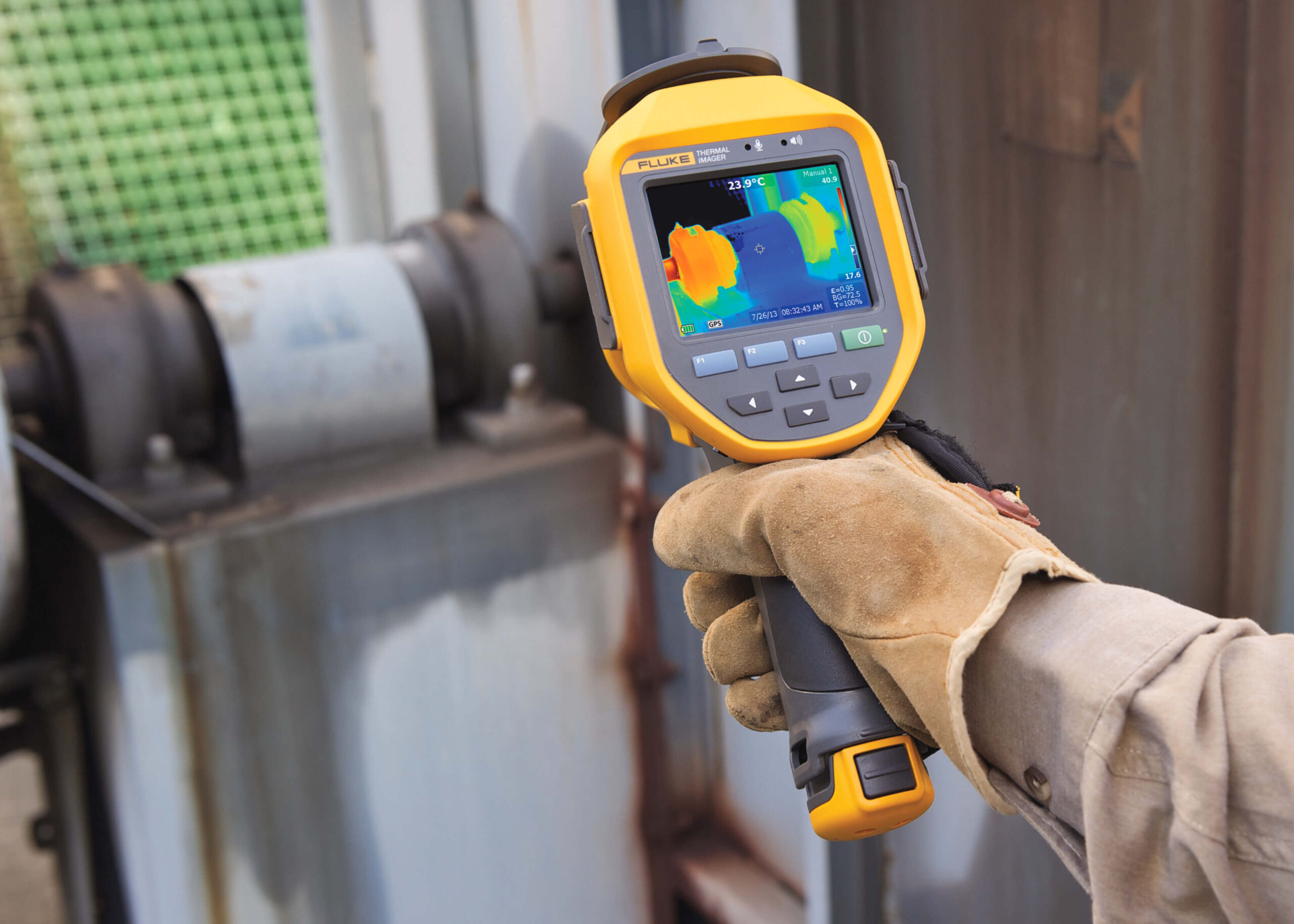

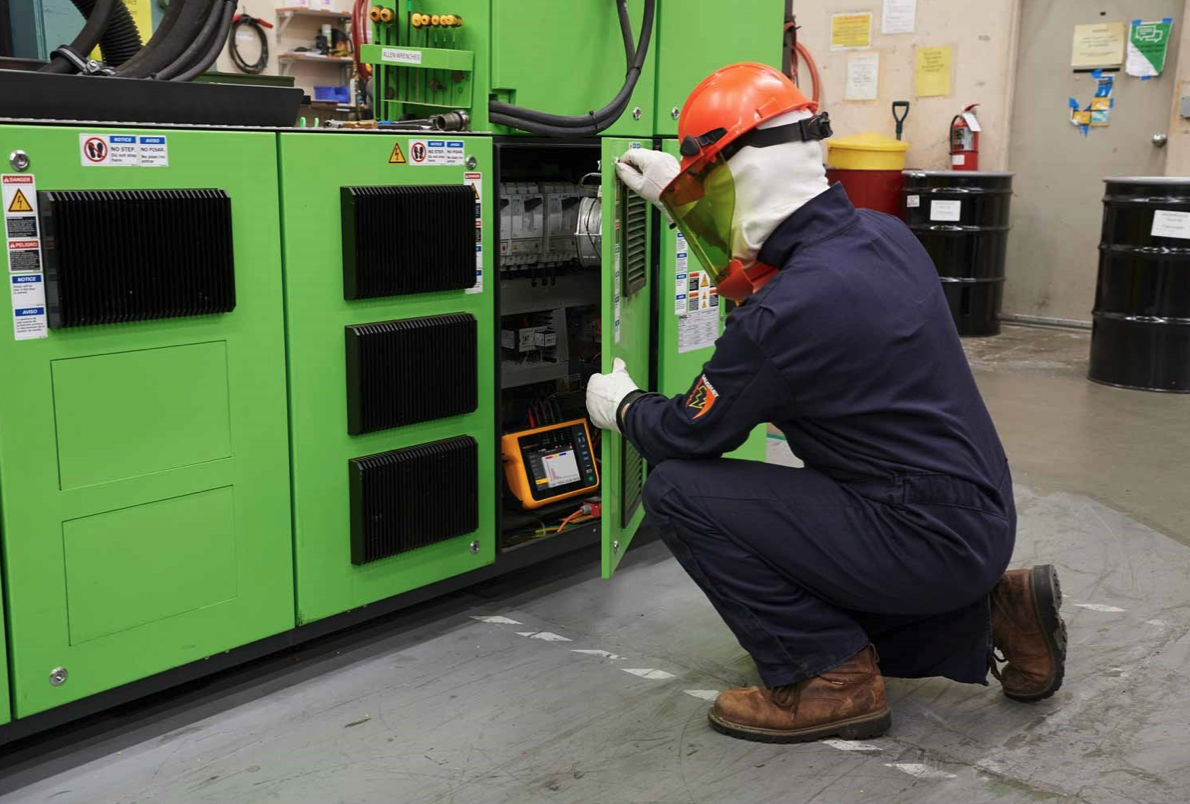
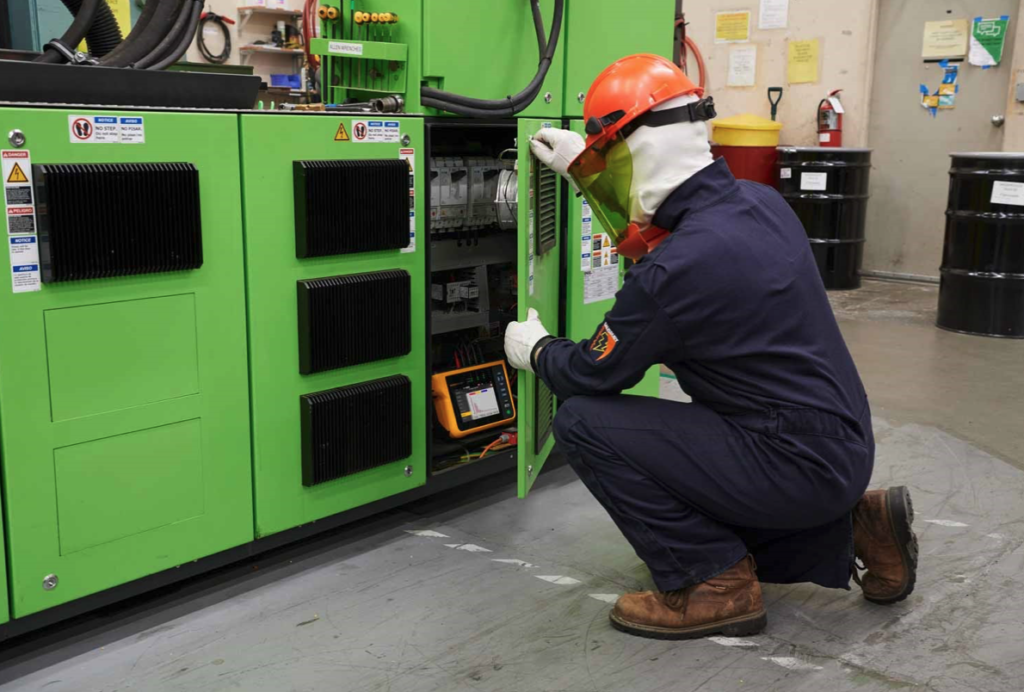
 Saving energy and minimising energy waste are important aspects of energy consumption. If you want to save energy, you need to identify your energy consumption and develop an energy saving plan for power quality management, regardless of the sector you work in.
Benchmarking electrical energy consumption
The first step in developing a power quality management programme is to benchmark your current electrical energy consumption in the plant. In doing so, look for quick and easy solutions, such as areas that are typically closed on weekends and can be switched off. Track areas that contribute to your energy consumption outside major assets, such as extra electric heating, lights that are still on and computers that are not switched off.
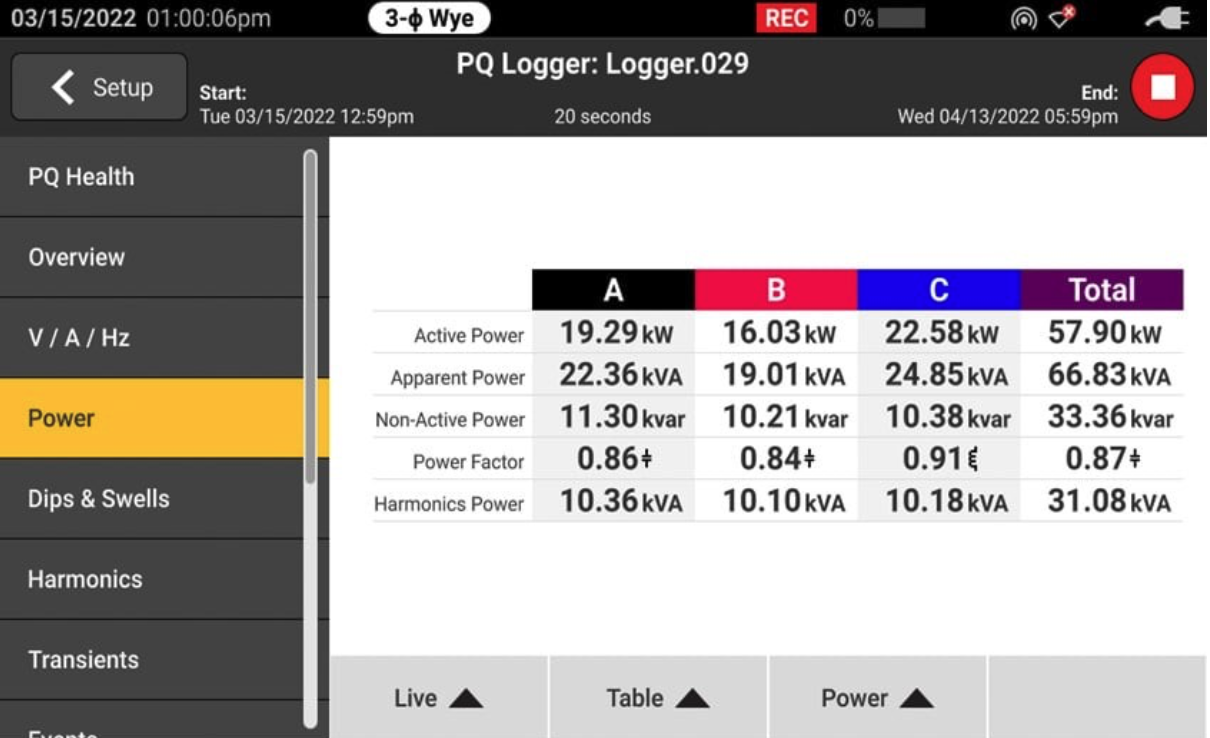
Once you have identified and implemented these quick wins, conduct more detailed analyses in the building or on campus. Perform load analyses on assets across the area with theFluke 1777 three-phase Power Quality Analyzer. These measurements may show where significant energy savings can be made, for example by switching off certain systems at night when they are not in use.
 Advanced power quality considerations
When power flows, some of the energy generated is inevitably lost in the form of heat.
The next step in reducing your energy consumption is to identify where energy wastage occurs. One area of concern is losses in conductors. When current flows through conductors, some of the energy generated is wasted as heat. If you want to solve this problem, apply the fundamental I2R equation indicating the current supplied. There are 2 possible solutions here: lower the current (I) for less kW or lower the resistance (R). Both create a problem:
- At a lower current (I), the load does not operate correctly
- Reducing resistance (R) may cost more, as copper or aluminium conductors need to be installed
So what is the best solution?
Consider the size of the conductor. In the National Electric Code (NFPA 70 or NEC 100) you will find a lot of advice on the size of a conductor and the ideal conductor size is described for almost all circumstances. The main consideration for the size of conductors is to ensure their safe operation with the most suitable insulation. The length, cross-sectional area and rated current expected to be required are decisive here. This will ensure minimal energy losses, typically 2% or less, and an acceptable voltage drop in the conductor. Another option is to install more efficient loads. Check whether the motors might be oversized for the current application.
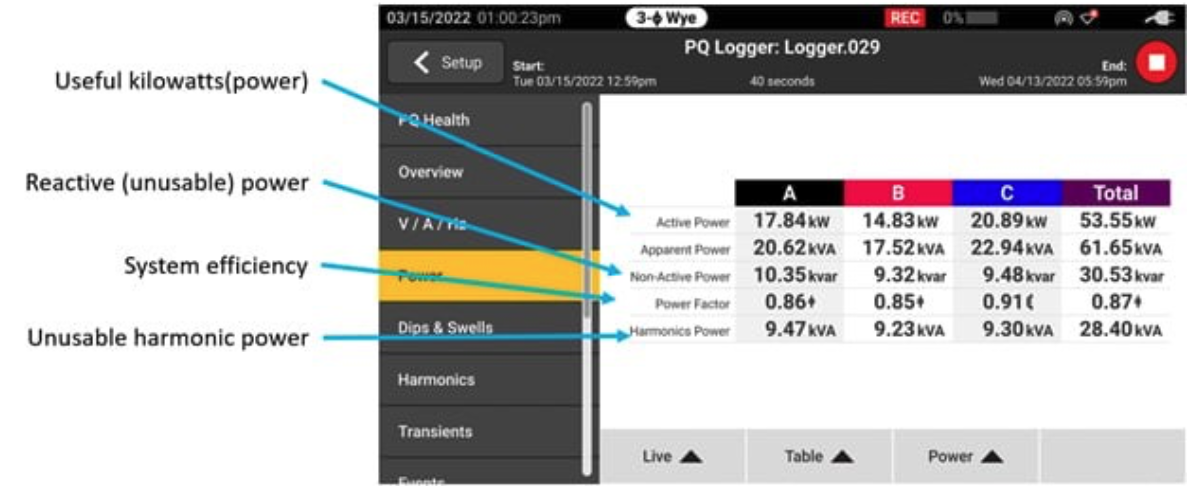 Energy waste
These codes and guidelines are useful for new work, but once cabling is in place and loads are installed, the result is not always optimal. Over time, equipment can change due to additions, modifications, moves and age. This can have a major effect on energy waste. Key areas where energy waste can occur are related to your mains power quality: voltage regulation, harmonics, power factor and asymmetric loads.
Voltage regulation
Voltage regulation aims to reduce energy consumption in loads that are voltage dependent. This is done by reducing or regulating voltage levels within the equipment manufacturer's specifications to yield energy savings. As more efficient loads are installed on a transformer, the voltage in the system may increase or be misregulated.
Use a Fluke 1777 Power Quality Analyzer to identify voltage regulation problems and detect transient voltages and voltage imbalances. Both problems can lead to failures, unplanned downtime and costly repairs.
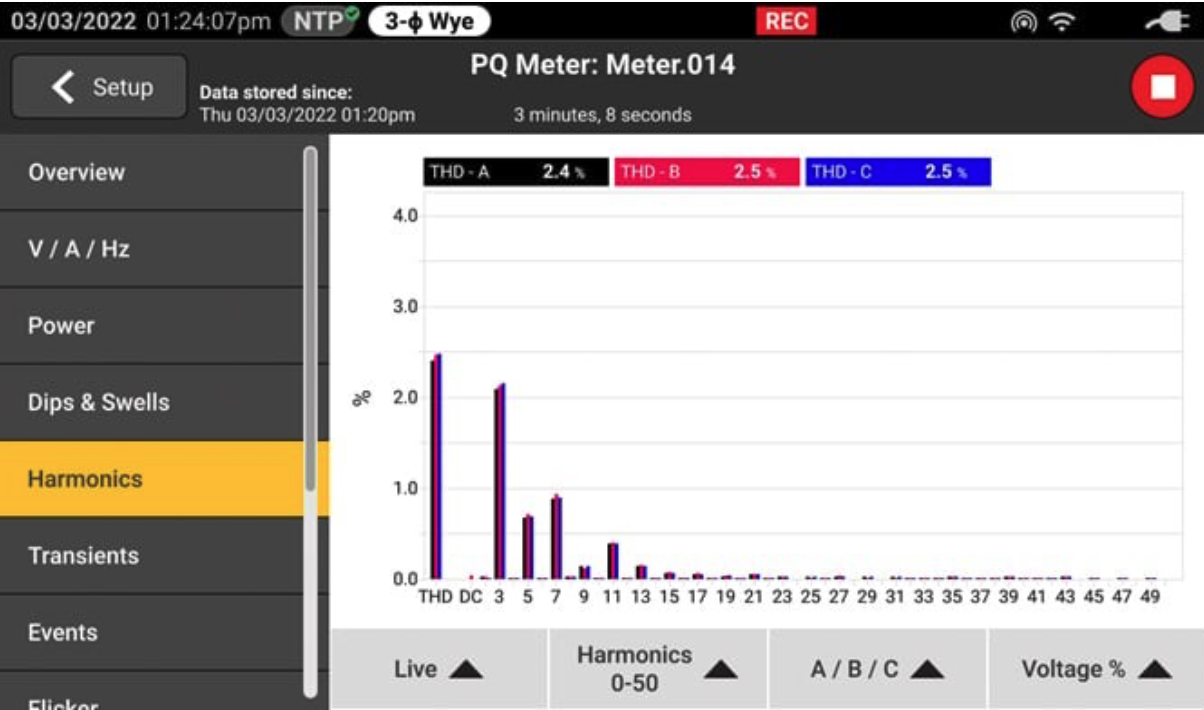 Harmonischen
Harmonics distort voltage and current so that the ideal sine wave for voltage is not maintained. One of the most well-known effects of harmonics in electrical systems is the excessive heat they cause in conductors. This results in overheating in phase and neutral conductors, known as ‘triple harmonics.’
The extra heat causes problems in wiring, motor windings and transformers. The overheating can cause significant damage or catastrophic failure, resulting in unscheduled downtime and expensive repairs. To measure and diagnose harmonics, use aFluke 1770 series three-phase Power Quality Analyzer.
Benefits of power quality analysis
If, after power quality analyses, it is visible where energy is being wasted, you can take steps to solve the problems:
- Perform preventive maintenance routinely so you can continue to measure against your benchmark and address problems as soon as they arise.
- Install harmonic filters on loads that increase the harmonic distortion of your installation.
- Address the causes of imbalance. This may mean setting up a repair or replacement schedule for large engines that have problems with mechanical imbalance.
- Limit problems caused by asymmetrical loads. In some cases, this may mean adjusting single-phase loads to distribute them more evenly between phases.
- Replace blown fuses if necessary. A blown fuse on a group of three-phase power factor upgrade capacitors may also be the cause of the problem; replacing the fuse may solve a major imbalance.
Mains power quality analyses show what can be done to save energy, reduce energy losses due to problems in an installation and reduce energy costs. Monitoring mains power quality can provide insight into the cause of problems and how to solve them.
Mains power quality analyses provide some other benefits besides energy savings:
- Discovery vhan potential weaknesses in assets that could cause a major disruption
- Discovery of equipment failures that could lead to worsening problems
- Discovery of improperly installed circuit breakers prone to inadvertent tripping