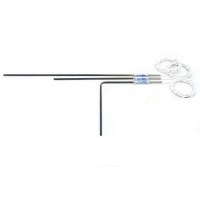

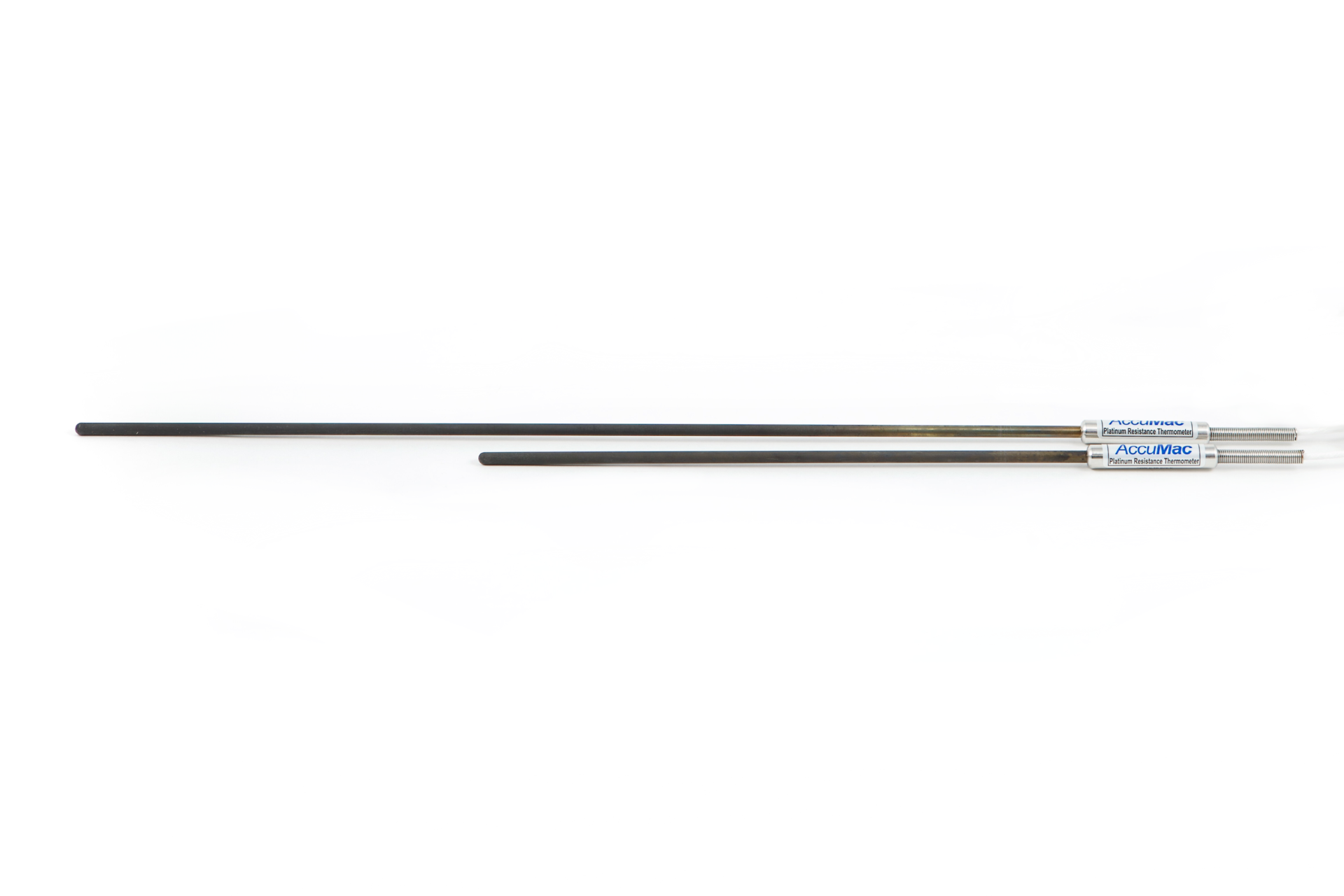
The Additel AM1760 series secondary SPRTs offer our customers reliable secondary standards that can be used daily in their labs. These SPRTs have an accuracy of <0.006°C at 0.01°C, a short-term stability of <0.002°C and a very low drift rate of less than 0.004°C after 100 hours at 661°C. Two different lengths of these SPRTs are available: 12 inches (305 mm) or 20 inches (508 mm).
The sensor element is designed to protect the platinum sensor wire from contamination at high temperatures, giving these secondary SPRTs SPRTs high stability and repeatable performance. A uniquely designed carrier structure and filler material provide an excellent balance between the hysteresis effect, mechanical shock and thermal shock performance.
This high-quality probe is fully compliant with ITS-90 criteria for reference thermometers. Each probe comes standard with a NIST-referenced calibration certificate.
What is an SPRT?
An SPRT, or Standard Platinum Resistance Thermometer, is a highly accurate instrument used to measure temperature. The principle behind the SPRT is based on the fact that the electrical resistance of platinum changes with temperature. An SPRT consists of a thin wire of pure platinum wrapped around an insulating core, usually of ceramic material. This arrangement is protected by an enclosure, often made of glass or metal, to insulate it from external influences and ambient temperatures.
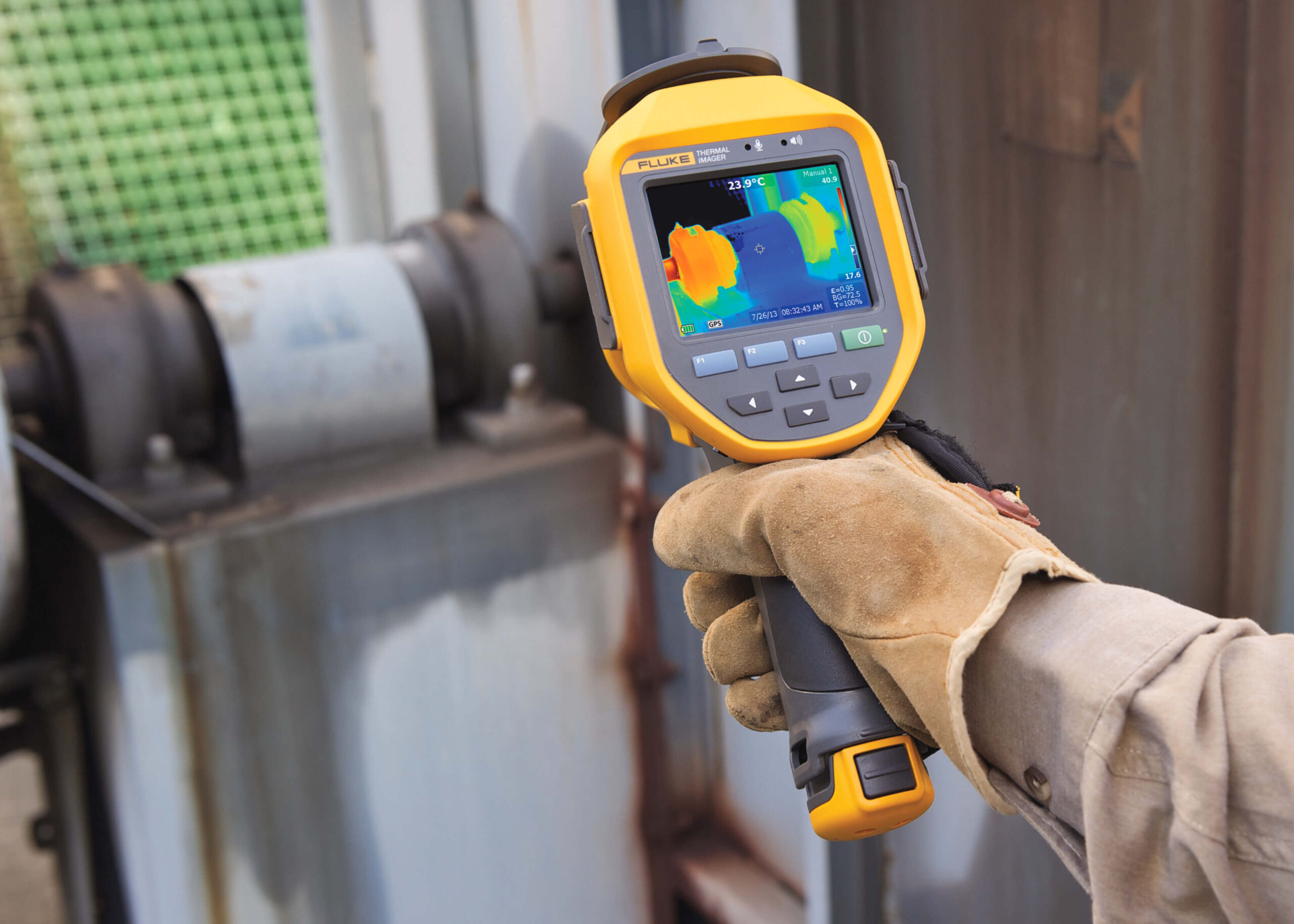
The accuracy and repeatability of an SPRT are outstanding, making it a standard instrument in laboratories and industrial applications where accurate temperature measurements are crucial. SPRTs are often used in calibration processes as reference instruments because of their high precision and stability. They play a crucial role in defining the temperature scale and are used to calibrate other thermometers.
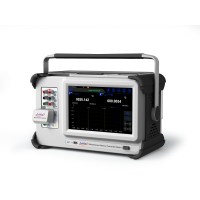
A key feature of the SPRT is the temperature range in which it can accurately measure, which usually lies between the melting point of ice and the boiling point of water, but some advanced models can operate in a wider range. The resistance of the platinum wire is measured using a bridge circuit, where small changes in resistance are converted into a measurable voltage, which is then converted into a temperature value. This technique provides very precise and reliable measurements.
The SPRT is often used in combination with a temperature controller to ensure precise control over experimental conditions in laboratories. It is an essential tool in research and development, especially in sectors such as pharmaceuticals, chemistry, and meteorology.